Buy openjustice.eu ?
We are moving the project
openjustice.eu .
Are you interested in purchasing the domain
openjustice.eu ?
domain@kv-gmbh.de · 0541-91531010
Buy openjustice.eu ?
Are dogmatic people automatically self-righteous?
Not necessarily. While dogmatic people may strongly adhere to their beliefs and be resistant to change, self-righteousness involves an attitude of moral superiority and a belief in one's own correctness. Dogmatic individuals may simply have a rigid mindset and be unwilling to consider alternative perspectives, without necessarily feeling morally superior to others. However, in some cases, dogmatic beliefs can lead to self-righteous behavior if the individual believes their beliefs are the only correct ones. **
Is self-critical the opposite of dogmatic?
While self-critical and dogmatic are not exact opposites, they do represent contrasting attitudes. Self-critical individuals are open to questioning their own beliefs and actions, while dogmatic individuals are rigid and unwavering in their beliefs, often resistant to change or criticism. Self-critical people are willing to consider different perspectives and adapt their views, whereas dogmatic individuals tend to adhere strictly to their own beliefs without questioning them. **


Similar search terms for Dogmatic
Top-Angebote
Products related to Dogmatic:
-
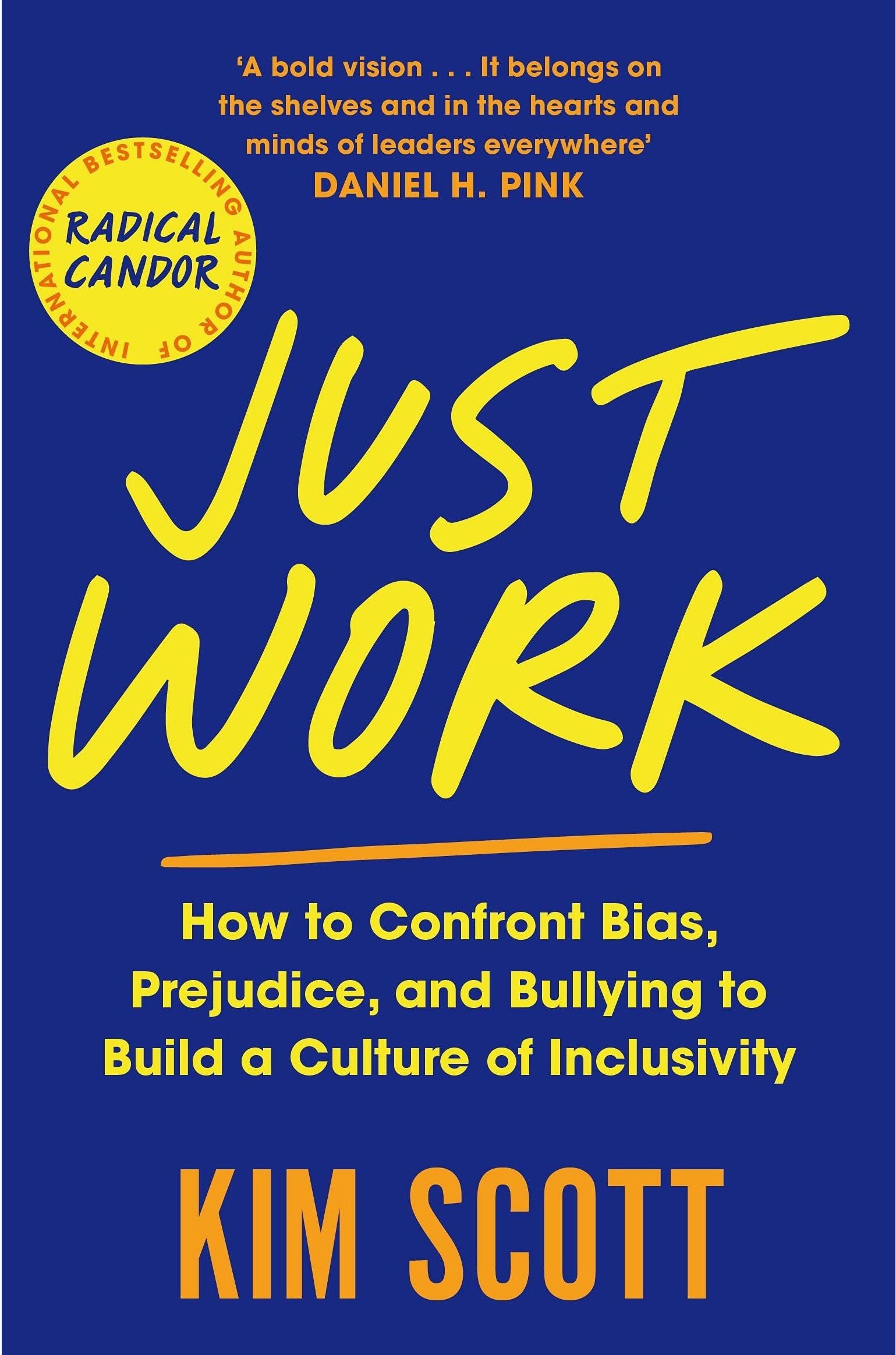
Pan Just Work: How to Confront Bias, Prejudice and Bullying to Build a Culture of Inclusivity by Kim ScottFrom Kim Scott, author of the revolutionary New York Times bestseller Radical Candor, comes Just Work: How to Confront Bias, Prejudice and Bullying to Build a Culture of Inclusivity– that will help you recognize, attack and eliminate workplace injustice – and transform our careers and organizations in the process. We – all of us – consistently exclude, underestimate and under-utilize huge numbers of people in the workforce even as we include, overestimate and promote others, often beyond their level of competence. Not only is this immoral and unjust, it’s bad for business. Just Work is the solution. Just Work by Kim Scott reveals a practical framework for both respecting everyone’s individuality and collaborating effectively. This is the essential guide leaders and their employees need to create more just workplaces and establish new norms of collaboration and respect.4,99 £*Shipping: 1,99 £Secure redirect to the provider
-
Pan Macmillan Just Work by Kim Scott - How to Confront Bias, Prejudice and Bullying to Build a Culture of Inclusivity - Paperback - Business & LeadershipJust Work by Kim Scott is a practical guide to recognising and rooting out bias, prejudice and bullying in the workplace. Drawing on years of experience coaching leaders, Scott offers a clear-eyed framework for building inclusive teams. This paperback edition is a valuable resource for managers, team leaders, HR professionals and anyone who wants to create a fairer, more respectful and productive workplace. Workplaces often exclude, underestimate and under-utilise talented people, while over-promoting and overestimating others. In Just Work, Kim Scott argues that this is a common issue that can be addressed with the right approach. Published by Pan Macmillan, this book is a must-read for anyone looking to improve their workplace culture.3,99 £*Shipping: 2,99 £Secure redirect to the provider
-
Uplift Essentials Weather Stripping Door Seal, Block Drafts & Insects Silicone Barrier For Temperature High Transparency 45mmThe Weather Stripping Door Seal is a highquality silicone barrier designed to seal gaps under doors and windows. It prevents cold drafts, blocks hot air, and acts as an effective pest barrier, ensuring a comfortable, energyefficient home.Why You...39,97 $*Shipping: 0,00 $Secure redirect to the provider
-
Inspired Living Weather Stripping Door Seal Strip, Block Drafts, Insects, Noise & Odors Instantly High Transparency 45mmThe Weather Stripping Door Seal Strip is a flexible silicone guard that attaches to door or window bottoms to seal gaps, preventing drafts, insects, dust, odors, and noise from entering your space. It's a toolfree, energysaving solution that...37,97 $*Shipping: 0,00 $Secure redirect to the provider


-
How do you convince stubborn, dogmatic people?
When trying to convince stubborn, dogmatic people, it is important to approach the situation with empathy and understanding. Listen to their perspective and try to find common ground to build a connection. Present your arguments calmly and logically, providing evidence and examples to support your point of view. It may also be helpful to appeal to their values or goals to show how your perspective aligns with what is important to them. Ultimately, patience and persistence are key when trying to persuade stubborn individuals. **
-
Why do people become dogmatic again and again?
People become dogmatic again and again because it provides them with a sense of security and certainty in their beliefs. Dogmatism can also stem from a fear of uncertainty and a desire to avoid cognitive dissonance. Additionally, individuals may become dogmatic due to social and cultural influences that reinforce rigid thinking and discourage open-mindedness. Finally, some people may become dogmatic as a way to assert power and control over others, using their beliefs as a means of dominance. **
-
What is more important: Fairness or equality?
Both fairness and equality are important concepts, but fairness may be more important in certain situations. Fairness ensures that individuals are treated justly and impartially based on their unique circumstances, while equality focuses on ensuring everyone has the same resources or opportunities. In some cases, prioritizing fairness may lead to greater overall equality by addressing individual needs and circumstances. Ultimately, a balance of both fairness and equality is necessary to create a just and equitable society. **
-
What is more important: fairness or equality?
Both fairness and equality are important concepts, but they serve different purposes. Fairness focuses on ensuring that individuals are treated justly and impartially based on their unique circumstances, while equality aims to create a level playing field by providing everyone with the same opportunities and resources. In some situations, prioritizing fairness may be more important to address individual needs and circumstances, while in others, equality may be necessary to promote overall societal well-being and justice. Ultimately, finding a balance between fairness and equality is crucial in creating a just and equitable society. **


What is the difference between fairness and equality?
Fairness refers to the concept of justice and impartiality in treating individuals based on their unique circumstances and needs. It involves giving everyone what they need to be successful, which may not always be the same for everyone. On the other hand, equality focuses on treating everyone the same regardless of their individual differences. While equality aims to provide equal opportunities and resources to all, fairness recognizes that individuals may require different levels of support to achieve the same outcomes. **
Am I correct in this belief: I do not create suffering for other living beings, while dogmatic belief creates suffering?
It is important to recognize that our actions and beliefs can have an impact on others, whether intentional or not. While it is true that dogmatic beliefs can sometimes lead to conflict and suffering, it is also important to consider the impact of our own actions and beliefs on others. It is possible that even unintentionally, our actions or beliefs may contribute to the suffering of other living beings. It is important to approach our beliefs and actions with mindfulness and compassion, considering their potential impact on others. **
Top-Angebote
Products related to Dogmatic:
-
Uplift Treasures Adjustable Car Accessibility Safety Handle Adjustable Car Accessibility Safety HandleProduct Description Make getting in and out of your vehicle safer and easier with this adjustable car accessibility safety handle. Designed to provide reliable support without tools, it installs quickly and offers a secure grip for seniors,...39,97 $*Shipping: 0,00 $Secure redirect to the provider
-
HomeDecorAndMore LLC Weather Stripping Door Seal Strip High Transparency 25mmDo you often see bugs, ants and wasps coming inside your room through the gap under the door And what about that time when you felt cold drafts on your feet coming from under the door Ahhh… it’s not worth it. This gap does more harm than good. So...34,97 $*Shipping: 0,00 $Secure redirect to the provider
-
Pan Just Work: How to Confront Bias, Prejudice and Bullying to Build a Culture of Inclusivity by Kim ScottFrom Kim Scott, author of the revolutionary New York Times bestseller Radical Candor, comes Just Work: How to Confront Bias, Prejudice and Bullying to Build a Culture of Inclusivity– that will help you recognize, attack and eliminate workplace injustice – and transform our careers and organizations in the process. We – all of us – consistently exclude, underestimate and under-utilize huge numbers of people in the workforce even as we include, overestimate and promote others, often beyond their level of competence. Not only is this immoral and unjust, it’s bad for business. Just Work is the solution. Just Work by Kim Scott reveals a practical framework for both respecting everyone’s individuality and collaborating effectively. This is the essential guide leaders and their employees need to create more just workplaces and establish new norms of collaboration and respect.4,99 £*Shipping: 1,99 £Secure redirect to the provider
-
Pan Macmillan Just Work by Kim Scott - How to Confront Bias, Prejudice and Bullying to Build a Culture of Inclusivity - Paperback - Business & LeadershipJust Work by Kim Scott is a practical guide to recognising and rooting out bias, prejudice and bullying in the workplace. Drawing on years of experience coaching leaders, Scott offers a clear-eyed framework for building inclusive teams. This paperback edition is a valuable resource for managers, team leaders, HR professionals and anyone who wants to create a fairer, more respectful and productive workplace. Workplaces often exclude, underestimate and under-utilise talented people, while over-promoting and overestimating others. In Just Work, Kim Scott argues that this is a common issue that can be addressed with the right approach. Published by Pan Macmillan, this book is a must-read for anyone looking to improve their workplace culture.3,99 £*Shipping: 2,99 £Secure redirect to the provider
-
Are dogmatic people automatically self-righteous?
Not necessarily. While dogmatic people may strongly adhere to their beliefs and be resistant to change, self-righteousness involves an attitude of moral superiority and a belief in one's own correctness. Dogmatic individuals may simply have a rigid mindset and be unwilling to consider alternative perspectives, without necessarily feeling morally superior to others. However, in some cases, dogmatic beliefs can lead to self-righteous behavior if the individual believes their beliefs are the only correct ones. **
-
Is self-critical the opposite of dogmatic?
While self-critical and dogmatic are not exact opposites, they do represent contrasting attitudes. Self-critical individuals are open to questioning their own beliefs and actions, while dogmatic individuals are rigid and unwavering in their beliefs, often resistant to change or criticism. Self-critical people are willing to consider different perspectives and adapt their views, whereas dogmatic individuals tend to adhere strictly to their own beliefs without questioning them. **
-
How do you convince stubborn, dogmatic people?
When trying to convince stubborn, dogmatic people, it is important to approach the situation with empathy and understanding. Listen to their perspective and try to find common ground to build a connection. Present your arguments calmly and logically, providing evidence and examples to support your point of view. It may also be helpful to appeal to their values or goals to show how your perspective aligns with what is important to them. Ultimately, patience and persistence are key when trying to persuade stubborn individuals. **
-
Why do people become dogmatic again and again?
People become dogmatic again and again because it provides them with a sense of security and certainty in their beliefs. Dogmatism can also stem from a fear of uncertainty and a desire to avoid cognitive dissonance. Additionally, individuals may become dogmatic due to social and cultural influences that reinforce rigid thinking and discourage open-mindedness. Finally, some people may become dogmatic as a way to assert power and control over others, using their beliefs as a means of dominance. **
Similar search terms for Dogmatic
-
Uplift Essentials Weather Stripping Door Seal, Block Drafts & Insects Silicone Barrier For Temperature High Transparency 45mmThe Weather Stripping Door Seal is a highquality silicone barrier designed to seal gaps under doors and windows. It prevents cold drafts, blocks hot air, and acts as an effective pest barrier, ensuring a comfortable, energyefficient home.Why You...39,97 $*Shipping: 0,00 $Secure redirect to the provider
-
Inspired Living Weather Stripping Door Seal Strip, Block Drafts, Insects, Noise & Odors Instantly High Transparency 45mmThe Weather Stripping Door Seal Strip is a flexible silicone guard that attaches to door or window bottoms to seal gaps, preventing drafts, insects, dust, odors, and noise from entering your space. It's a toolfree, energysaving solution that...37,97 $*Shipping: 0,00 $Secure redirect to the provider
-
HomeDecorAndMore LLC Weather Stripping Door Seal Strip High Transparency 45mmDo you often see bugs, ants and wasps coming inside your room through the gap under the door And what about that time when you felt cold drafts on your feet coming from under the door Ahhh… it’s not worth it. This gap does more harm than good. So...34,97 $*Shipping: 0,00 $Secure redirect to the provider
-
HomeDecorAndMore LLC Weather Stripping Door Seal Strip High Transparency 35mmDo you often see bugs, ants and wasps coming inside your room through the gap under the door And what about that time when you felt cold drafts on your feet coming from under the door Ahhh… it’s not worth it. This gap does more harm than good. So...34,97 $*Shipping: 0,00 $Secure redirect to the provider
-
What is more important: Fairness or equality?
Both fairness and equality are important concepts, but fairness may be more important in certain situations. Fairness ensures that individuals are treated justly and impartially based on their unique circumstances, while equality focuses on ensuring everyone has the same resources or opportunities. In some cases, prioritizing fairness may lead to greater overall equality by addressing individual needs and circumstances. Ultimately, a balance of both fairness and equality is necessary to create a just and equitable society. **
-
What is more important: fairness or equality?
Both fairness and equality are important concepts, but they serve different purposes. Fairness focuses on ensuring that individuals are treated justly and impartially based on their unique circumstances, while equality aims to create a level playing field by providing everyone with the same opportunities and resources. In some situations, prioritizing fairness may be more important to address individual needs and circumstances, while in others, equality may be necessary to promote overall societal well-being and justice. Ultimately, finding a balance between fairness and equality is crucial in creating a just and equitable society. **
-
What is the difference between fairness and equality?
Fairness refers to the concept of justice and impartiality in treating individuals based on their unique circumstances and needs. It involves giving everyone what they need to be successful, which may not always be the same for everyone. On the other hand, equality focuses on treating everyone the same regardless of their individual differences. While equality aims to provide equal opportunities and resources to all, fairness recognizes that individuals may require different levels of support to achieve the same outcomes. **
-
Am I correct in this belief: I do not create suffering for other living beings, while dogmatic belief creates suffering?
It is important to recognize that our actions and beliefs can have an impact on others, whether intentional or not. While it is true that dogmatic beliefs can sometimes lead to conflict and suffering, it is also important to consider the impact of our own actions and beliefs on others. It is possible that even unintentionally, our actions or beliefs may contribute to the suffering of other living beings. It is important to approach our beliefs and actions with mindfulness and compassion, considering their potential impact on others. **
* All prices are inclusive of VAT and, if applicable, plus shipping costs. The offer information is based on the details provided by the respective shop and is updated through automated processes. Real-time updates do not occur, so deviations can occur in individual cases. ** Note: Parts of this content were created by AI.